
Case Study 08 — Cisco FTD Security Integration & Best Practices
Cisco Firepower Threat Defense (FTD) Security Integration & Best Practices
UI Operations deployed and integrated Cisco Firepower Threat Defense (FTD) to strengthen enterprise network security through advanced threat prevention, secure network segmentation, identity-based access control, encrypted remote connectivity, and centralized security management.
Cisco FTD
Network Security
Threat Prevention
Secure Remote Access
Project at a Glance
Client
Confidential Enterprise Client
Project
Cisco FTD Security Integration & Best Practices
Service
Security Consulting & Integration
Platform
Cisco Firepower Threat Defense
Solution
Next-Generation Firewall Security Integration
Focus
hreat Prevention, Network Segmentation, VPN & Centralized Management
Implemented an integrated Cisco FTD security solution combining intrusion prevention, advanced malware protection, application control, secure remote access, and centralized management to improve threat visibility and protect critical enterprise infrastructure.
The Challenge
Protecting Critical Infrastructure Against Evolving Cyber Threats.
The client required an advanced network security solution capable of defending against sophisticated cyber threats while protecting sensitive business systems and supporting a distributed workforce.
The solution needed to provide comprehensive threat prevention, controlled access to critical assets, secure remote connectivity, and consistent security management across multiple locations.
Advanced Cyber Threats
Detect and prevent intrusions, malware, suspicious applications, and emerging network threats.
Access & Segmentation
Isolate critical infrastructure and restrict sensitive resources to authorized users and devices.
Remote Access & Visibility
Secure remote workers while centralizing policy enforcement, monitoring, and security reporting.
The Solution
An Integrated Security Architecture Built for Advanced Protection.
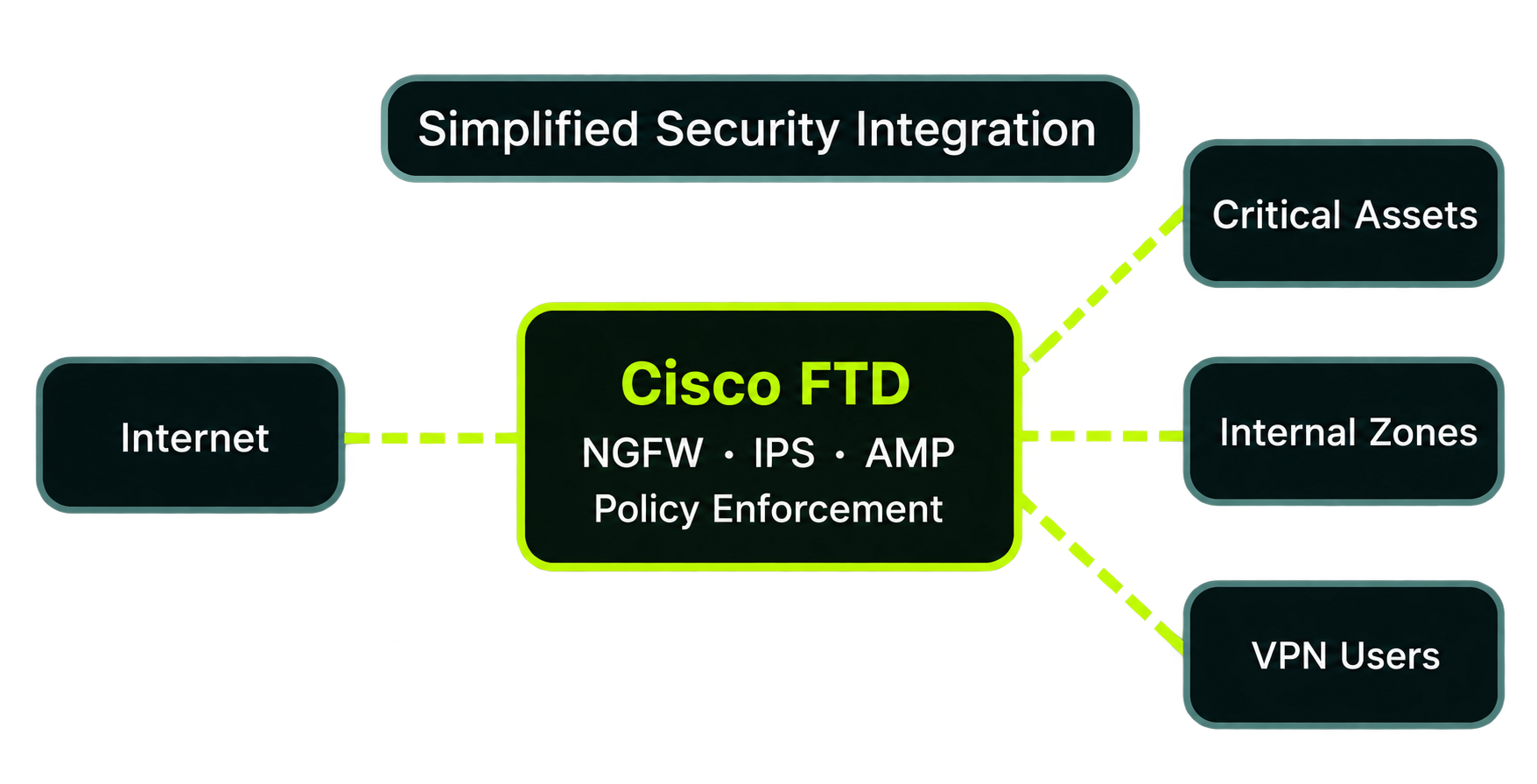
UI Operations implemented Cisco FTD as a next-generation firewall platform, combining intrusion prevention, malware protection, application visibility, secure network segmentation, and identity-based security policies.
The deployment also integrated Cisco AnyConnect VPN, Cisco Identity Services Engine (ISE), and centralized security management to support consistent protection across the client’s network.
Next-Generation Threat Protection
Deployed Cisco FTD with intrusion prevention, malware inspection, application control, and threat intelligence.
Network Segmentation & Access
Configured secure zones, access control lists, and identity-based policies integrated with Cisco ISE.
Secure Remote Access
Implemented Cisco AnyConnect VPN with encrypted connectivity and endpoint compliance checks.
Centralized Security Operations
Established centralized policy management, event monitoring, reporting, and automated response capabilities.
Architecture & Technology
Inside the Cisco FTD Security Architecture.
The security architecture combines perimeter firewall protection, intrusion prevention, network segmentation, identity-aware access policies, secure VPN connectivity, and centralized monitoring.
Access Control & Segmentation
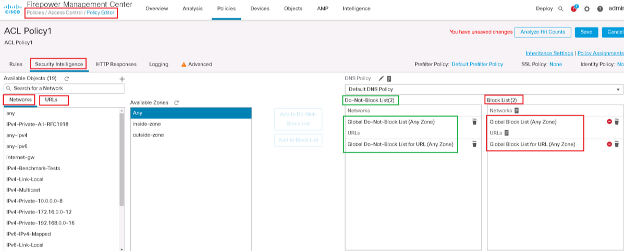
Policy configuration supporting controlled access to sensitive resources.
Secure Remote Access
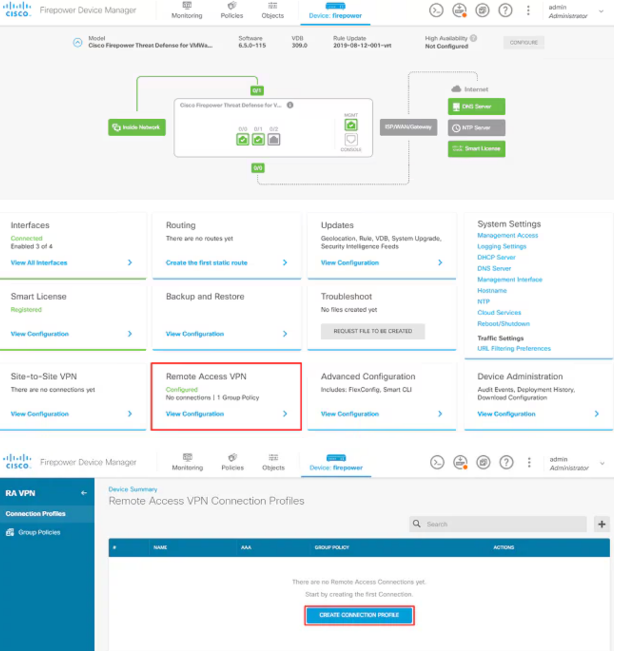
Remote access VPN configuration and connection profile management.
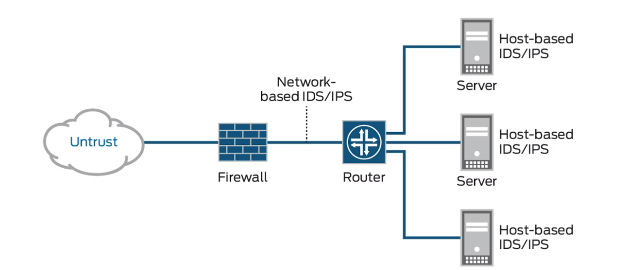
Traffic moving through perimeter security and intrusion detection/prevention components toward protected servers.
Our Implementation Approach
Assess
Reviewed network security requirements, critical assets, threat exposure, remote access needs, and management objectives.
Design
Defined the FTD security architecture, segmentation zones, access policies, and integration requirements.
Deploy
Implemented Cisco FTD at the network perimeter with intrusion prevention and malware protection.
Integrate
Configured Cisco ISE identity policies, AnyConnect VPN, application control, and centralized management.
Secure
Applied IPS policies, network segmentation, access control rules, and threat intelligence updates.
Enable
Established security monitoring, reporting, and automated incident response capabilities.
Technical Challenges & Solutions
Overcoming Complex Enterprise Security Challenges.
Complex Network Integration
Challenge: Integrating Cisco FTD across multiple locations required consistent traffic inspection and security policy enforcement. Solution: Carefully configured network security integrations and standardized policy enforcement across the infrastructure.
Remote Workforce Security
Challenge: The client needed to provide secure access for distributed employees without exposing sensitive internal resources. Solution: Deployed Cisco AnyConnect VPN with endpoint compliance checks and identity-based access policies.
Centralized Visibility and Faster Security Response.
Challenge: Traditional security controls alone could not adequately address emerging attack techniques. Solution: Integrated real-time threat intelligence, automatic updates, and IPS signatures to strengthen protection against new threats.
Monitoring, Optimization & Handover
Centralized Visibility and Faster Security Response.
Security Event Monitoring
Centralized logs, alerts, and reporting improved visibility into security incidents and suspicious network activity.
Threat Intelligence & Prevention
IPS policies, malware protection, and threat intelligence updates supported detection and prevention of emerging attacks.
Automated Incident Response
Automated capabilities supported blocking malicious traffic and quarantining affected devices.
Documentation & Knowledge Transfer
Unified security administration supported consistent policy deployment across remote offices and data centers.
Results & Business Impact
Stronger Threat Protection. Greater Security Control.
Advanced Threat Protection
Strengthened intrusion prevention, malware detection, application visibility, and network threat defense.
Secure Remote Connectivity
Enabled encrypted VPN access with identity-based policies and endpoint compliance checks.
Protected Critical Assets
Improved network segmentation and access control to restrict unauthorized access to sensitive systems.
Centralized Security Visibility
Unified security monitoring and policy management across the enterprise environment.
Business Impact Summary
The Cisco FTD integration strengthened enterprise security by combining advanced threat prevention, identity-aware access control, encrypted remote connectivity, and centralized management. The resulting architecture improved visibility, simplified policy enforcement, and provided a scalable foundation for future network growth.
Tools & Technology Used
Cisco Firepower Threat Defense
Cisco NGFW
Intrusion Prevention System
Cisco AMP
Cisco AnyConnect VPN
Cisco Identity Services Engine
Application Visibility & Control
Deep Packet Inspection
Access Control Lists
SSL / IPSec VPN
Threat Intelligence
Centralized Security Management
Cisco Firepower Threat Defense
Cisco NGFW
Intrusion Prevention System
Cisco AMP
Cisco AnyConnect VPN
Cisco Identity Services Engine
Application Visibility & Control
Deep Packet Inspection
Access Control Lists
SSL / IPSec VPN
Threat Intelligence
Centralized Security Management
Conclusion
Building a More Secure and Scalable Enterprise Network.
The Cisco Firepower Threat Defense Security Integration project delivered a comprehensive network protection solution designed to address evolving cyber threats and strengthen control over critical infrastructure.
By integrating advanced intrusion prevention, malware protection, secure remote access, network segmentation, and centralized management, UI Operations established a resilient security foundation capable of supporting future enterprise growth.
RELATED CASE STUDIES
Explore More Case Studies
LET’S BUILD WHAT’S NEXT
Is Your Network Protected Against Evolving Cyber Threats?
From next-generation firewall deployment to intrusion prevention, network segmentation, and secure remote access, UI Operations helps organizations build stronger, more resilient network security environments.