
CASE STUDY 04 / CLOUD SECURITY & OPTIMIZATION
Azure Infrastructure Best Practices & Security Assessment.
UI Operations assessed, secured, and optimized an enterprise Microsoft Azure environment, addressing security vulnerabilities, strengthening compliance controls, improving resource efficiency, and establishing a scalable foundation for future growth.
Microsoft Azure
Cloud Security
Best Practices
Compliance
Cost Optimization
Project at a Glance
Client
Confidential Enterprise Client
Project
Azure Infrastructure Best Practices & Security Assessment
Service
Cloud Architecture & Security Consulting
Platform
Microsoft Azure
Solution
Azure Security Assessment & Infrastructure Optimization
Focus
Security, Compliance, Performance & Cost Efficiency
Conducted a comprehensive Azure infrastructure assessment and implemented targeted security, compliance, monitoring, and cost optimization improvements to strengthen cloud operations and support long-term scalability.
The Challenge
Strengthening Security and Efficiency Across a Growing Azure Environment.
The client needed a comprehensive review of its existing Azure infrastructure to identify vulnerabilities, improve security controls, align with industry best practices, and optimize cloud spending.
The assessment also needed to address infrastructure performance, compliance readiness, and scalability without disrupting business operations.
Security Vulnerabilities
Identify excessive permissions, exposed resources, and network security misconfigurations.
Compliance & Governance
Review data protection, access controls, logging, and regulatory requirements.
Performance & Cost
Improve resource utilization, cloud spending, availability, and future scalability.
The Solution
A More Secure, Compliant, and Efficient Azure Infrastructure.
UI Operations conducted a structured Azure infrastructure and security assessment, followed by targeted remediation and optimization.
The engagement strengthened identity management, network security, data protection, monitoring, and operational controls while aligning the environment with the Azure Well-Architected Framework.
Security Assessment
Reviewed Azure AD, RBAC, NSGs, Azure Firewall, public exposure, and encryption controls.
Best Practices Alignment
Evaluated security, reliability, performance, cost optimization, and operational excellence.
Risk Remediation
Corrected access control, storage, and network misconfigurations while strengthening MFA and secure administration.
Monitoring & Optimization
Implemented centralized monitoring, security automation, cost management, and resource right-sizing.
Architecture & Technology
Inside the Azure Security Architecture.
The assessment covered identity and access management, network segmentation, infrastructure protection, encryption, security monitoring, and incident response.
Azure Identity & Access Architecture
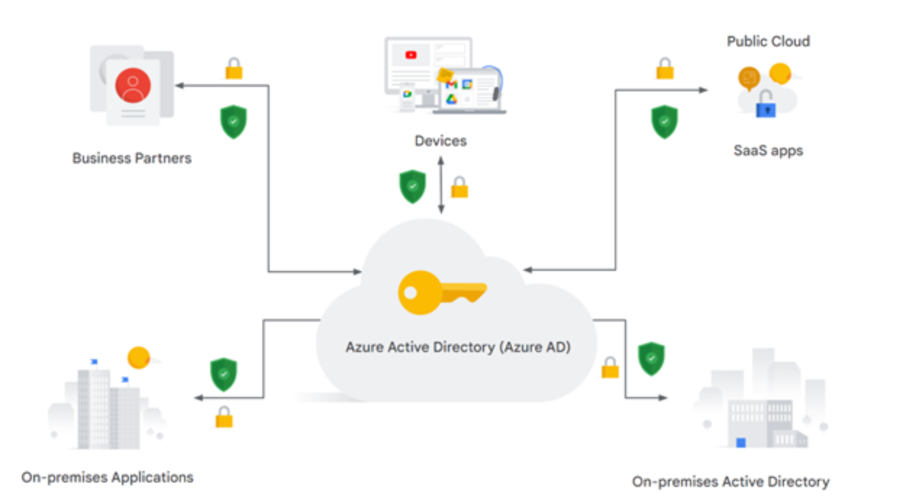
Integration between business partners, devices, SaaS applications, on-premises applications, and Azure Active Directory.
Azure Firewall Configuration
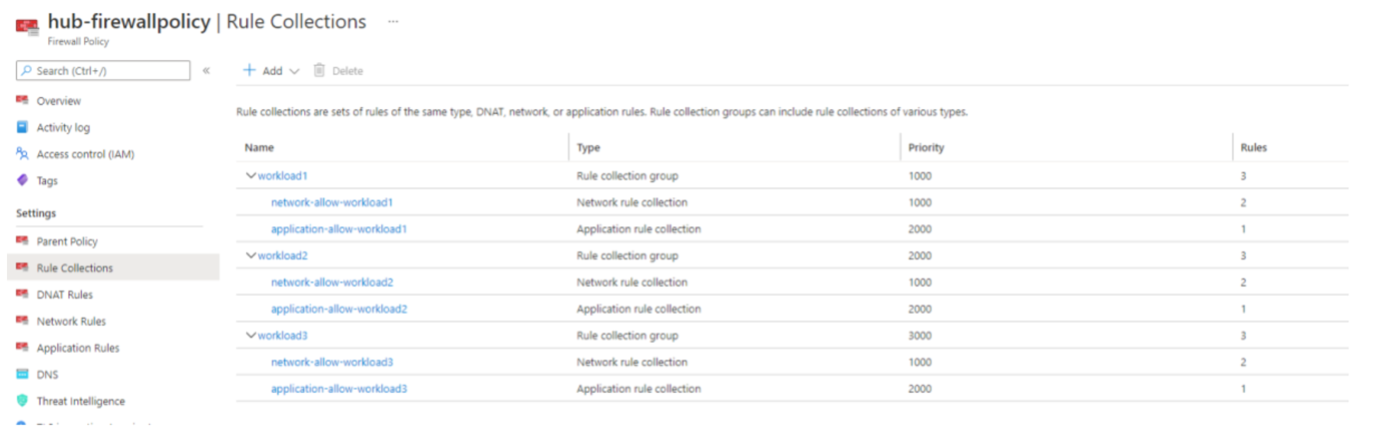
Network security controls reviewed during the engagement.
Azure Security Monitoring
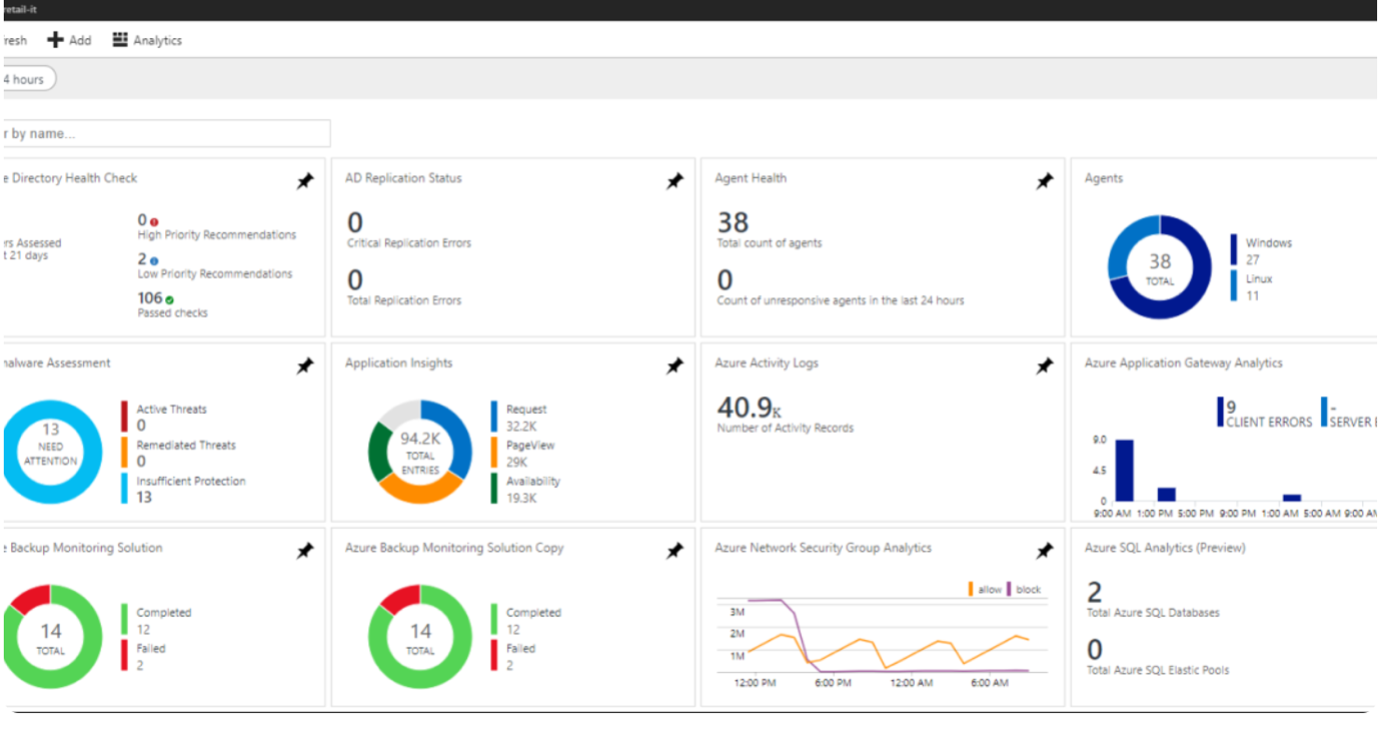
Infrastructure visibility and security assessment capabilities.
Our Implementation Approach
Discover
Reviewed existing Azure resources, security policies, operational challenges, and business requirements.
Assess
Evaluated identity, network security, storage, encryption, monitoring, and compliance controls.
Align
Reviewed infrastructure against the Azure Well-Architected Framework and relevant compliance requirements.
Remediate
Corrected excessive permissions, public exposure, unsecured storage, and network misconfigurations.
Validate
Conducted vulnerability scans, limited penetration testing, and compliance control verification.
Optimize
Improved monitoring, incident response automation, resource sizing, cost management, and documentation.
Technical Challenges & Solutions
Addressing Critical Azure Security Gaps.
Excessive Identity Permissions
Challenge: Overly broad Azure AD and IAM permissions increased the risk of unauthorized access. Solution: Audited roles and permissions, removed unnecessary privileges, and strengthened role-based access control (RBAC).
Exposed Public Resources
Challenge: Unnecessary public-facing resources increased the environment's attack surface. Solution: Restricted public exposure and implemented Azure Bastion for secure remote administration.
Network Security Misconfigurations
Challenge: Inconsistent network rules and segmentation created security weaknesses. Solution: Updated Network Security Groups, configured Azure Firewall, and strengthened workload isolation within Azure VNets.
Monitoring, Optimization & Handover
Continuous Security, Visibility, and Operational Control.
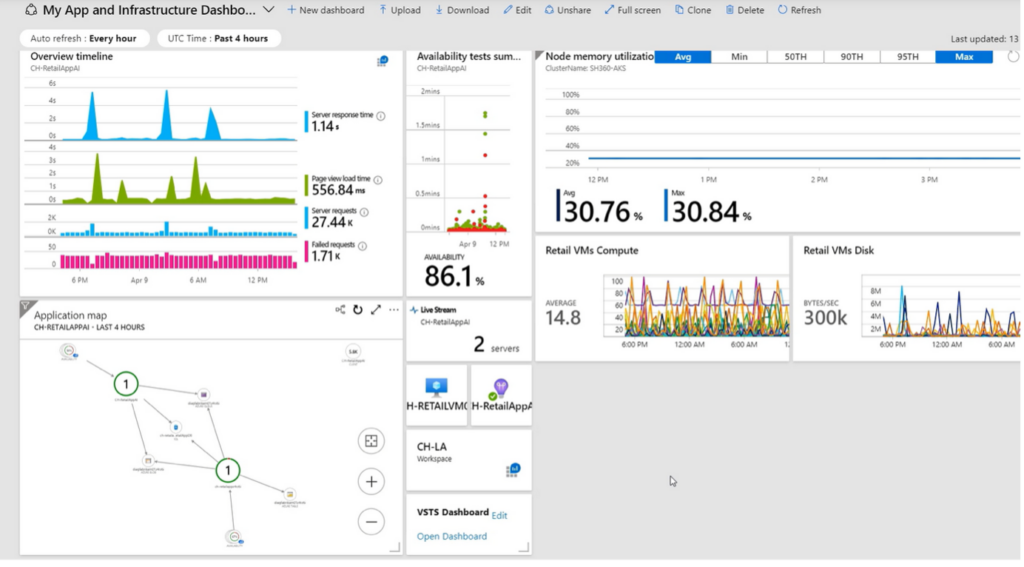
Continuous Security Monitoring
Azure Monitor, Log Analytics, Microsoft Sentinel, and security services provided centralized visibility, event tracking, and alerts.
Automated Incident Response
Azure Logic Apps and Azure Functions supported automated security workflows and incident response.
Cost & Performance Optimization
Azure Cost Management and resource utilization reviews supported VM right-sizing, budget monitoring, and cost efficiency.
Documentation & Operational Guidance
Delivered security configurations, monitoring procedures, incident response documentation, and cost management guidance.
Results & Business Impact
A Stronger Security Posture. A More Efficient Cloud.
Enhanced Cloud Security
Strengthened identity management, network protection, encryption, and proactive security monitoring.
Improved Compliance
Enhanced audit logging, data protection, and alignment with applicable industry requirements.
Reduced Cloud Costs
Optimized resource allocation, VM sizing, and Azure purchasing options to improve cost efficiency.
Scalable & Reliable Operations
Improved infrastructure resilience, automation, monitoring, and capacity for future growth.
Business Impact Summary
The project improved the client's Azure security posture, reduced unnecessary cloud expenditure, strengthened compliance controls, and established a more reliable, scalable environment supported by automated monitoring and incident response.
Tools & Technology Used
Microsoft Azure
Azure Virtual Machines
Azure Active Directory
Azure Firewall
Azure Bastion
Microsoft Sentinel
Azure Key Vault
Azure Monitor
Log Analytics
Azure Logic Apps
Azure Functions
Azure Policy
Azure Cost Management
Azure Advisor
Microsoft Defender for Cloud
Microsoft Azure
Azure Virtual Machines
Azure Active Directory
Azure Firewall
Azure Bastion
Microsoft Sentinel
Azure Key Vault
Azure Monitor
Log Analytics
Azure Logic Apps
Azure Functions
Azure Policy
Azure Cost Management
Azure Advisor
Microsoft Defender for Cloud
Conclusion
Building a More Secure and Efficient Azure Foundation.
The Azure Infrastructure Best Practices and Security Assessment project strengthened the client’s cloud environment through security remediation, infrastructure optimization, and improved operational controls.
By combining Azure security technologies, best-practice architecture, automated monitoring, and cost management, UI Operations helped establish a secure, resilient, and scalable cloud foundation for future business growth.
RELATED CASE STUDIES
Explore More Case Studies
LET’S BUILD WHAT’S NEXT
Is Your Azure Infrastructure Secure, Efficient, and Ready to Scale?
From cloud security assessments to infrastructure optimization and operational improvements, UI Operations helps organizations build secure, resilient, and cost-effective Azure environments.